Laundry Stripping: Remove Gross Buildup and Odors


Published January 8, 2026
Laundry stripping is the deep-clean reset that pulls out built-up detergent, fabric softener, body oils, hard water minerals, and whatever else has been clinging to your laundry for dear life. And yes, it’s a little horrifying when you see the water after. Also yes, it’s wildly satisfying.
If you’ve ever pulled “clean” towels out of the dryer and they still smelled weird… or your kids’ shirts have that permanent mystery funk… or your athletic clothes are basically holding onto deodorant like it’s a hobby, hi. Welcome.
I tried out this super simple laundry stripping method, and I’m sharing exactly what I did, what I learned, and how to know if it’s worth it for you.
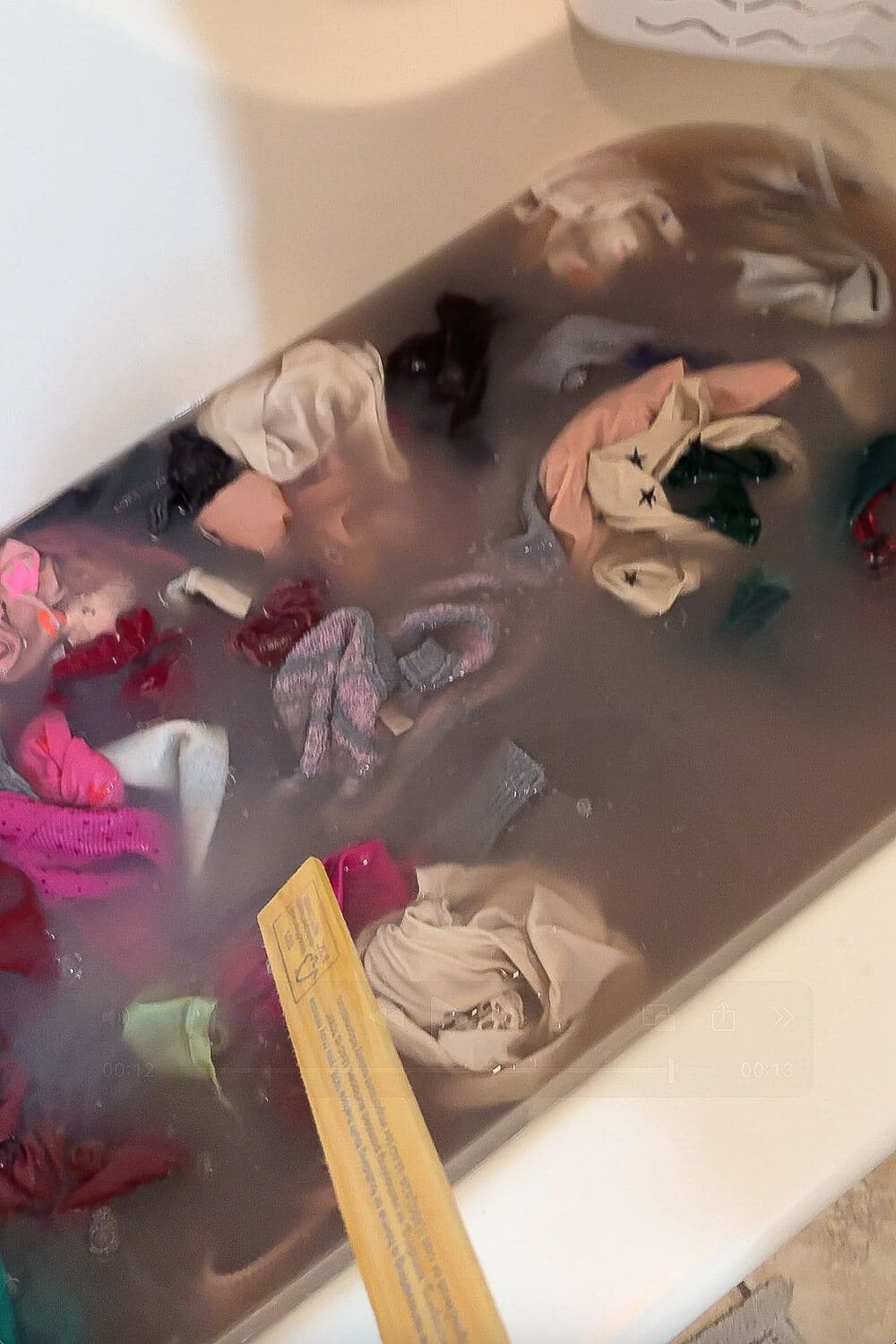
Table of Contents
- What Is Laundry Stripping?
- Signs You Might Need to Deep Clean Your Laundry
- What You Need for Laundry Stripping
- How to Do Laundry Stripping Step-by-Step
- What to Expect After Laundry Stripping
- Laundry Stripping White Towels vs Colored Clothes
- More Deep Cleaning How-To’s
- 📌 Save This Laundry Stripping Tutorial for Later
- FAQ: How to Strip Your Laundry
What Is Laundry Stripping?
Laundry stripping is basically a soaking method that breaks down gunk your washing machine doesn’t always remove, especially if you use:
- Fabric softener
- Dryer sheets
- Too much detergent (no shame, we’ve all done it)
- Homemade detergent
- Hard water
- “Quick wash” cycles on repeat
- Athletic fabrics that hold onto smells
It’s not something you need to do every week. Think of it more like a seasonal reset for towels, sheets, sweaty clothes, and things that feel… not fresh anymore.
Signs You Might Need to Deep Clean Your Laundry
If you’re on the fence, here’s your checklist:
- Towels feel crunchy, waxy, or not absorbent
- Clothes smell “clean-ish” but not actually clean
- Whites look dull or gray
- Athletic clothes still smell after washing
- Your laundry has that “old detergent” smell
- Sheets feel stiff even after the dryer
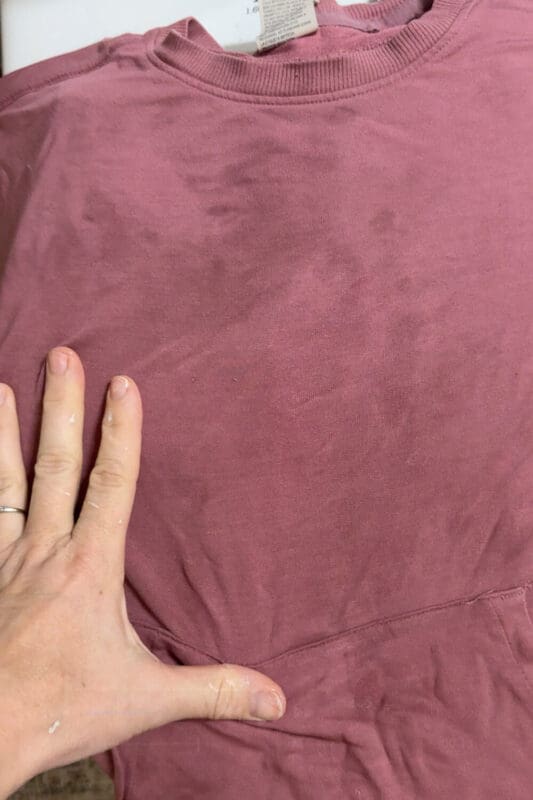
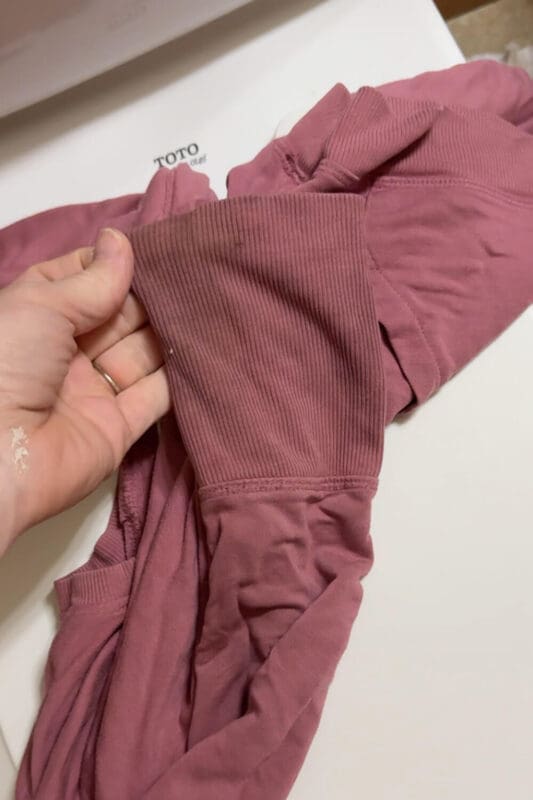
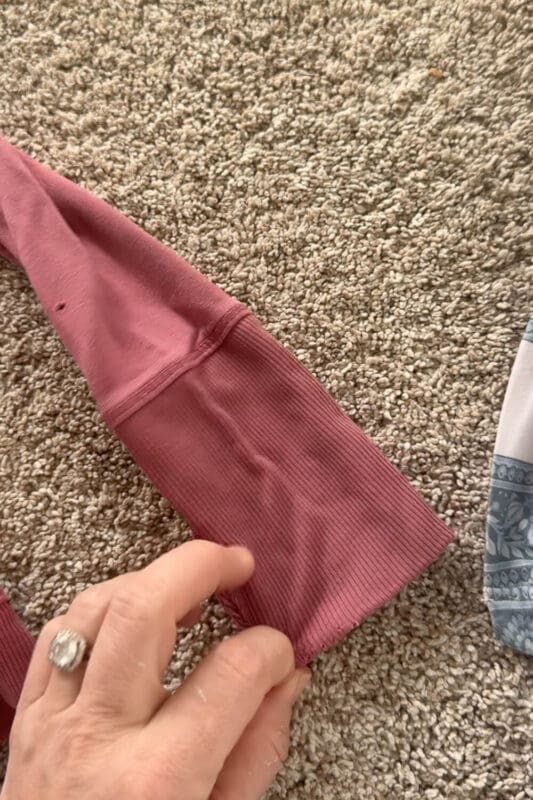
My motivation was this shirt that my middle daughter absolutely loves. It just looks grimy, even though it’s “clean”. I was about to throw it out, but since she loves it so much, I wanted to see if laundry stripping would bring it back to life.
What You Need for Laundry Stripping
Here’s the basic lineup I used (simple, inexpensive, easy to find):
- Borax
- Arm & Hammer Washing Soda
- Tide Powder detergent
- Calgon
- Very hot water
- Bathtub or large soaking tub
The Laundry Stripping Recipe I Followed
- 1/4 cup borax
- 1/4 cup washing soda
- 1/4 cup Calgon
- 1 generous scoop of powdered Tide
How to Do Laundry Stripping Step-by-Step
Step 1: Fill the tub with very hot water
When I say hot, I mean HOT HOT HOT water. As hot as you can get it. The heat helps break down the buildup, so don’t go lukewarm here.
Fill your bathtub about halfway (or enough to fully submerge the laundry).
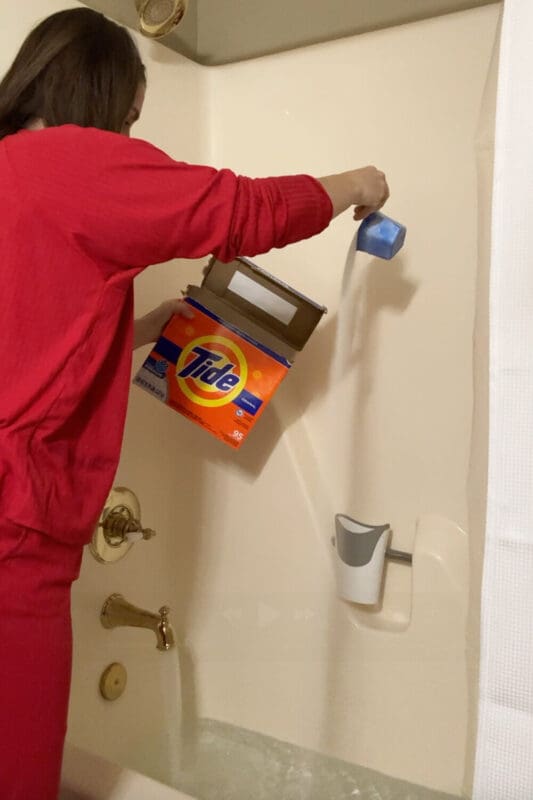
Step 2: Add the ingredients
In the hot water, add:
- 1/4 cup Borax
- 1/4 cup washing soda
- 1/4 cup Calgon
- 1 generous scoop of Tide
Swish it around until it dissolves.
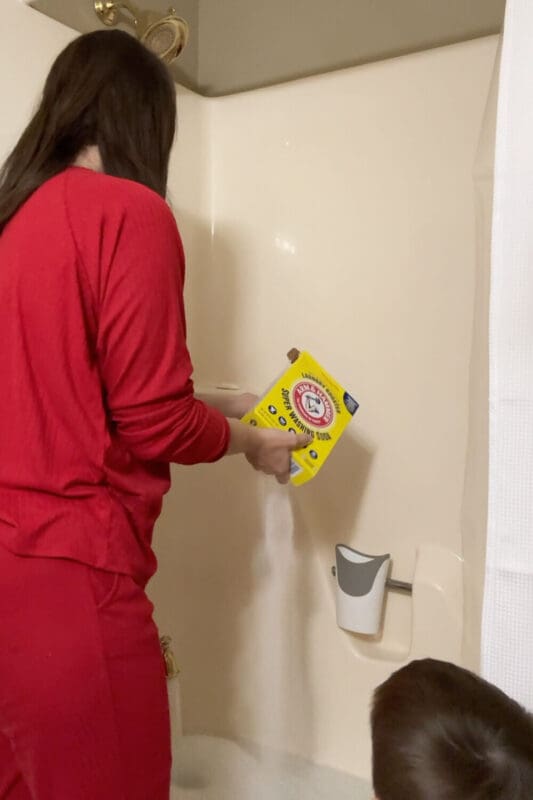
Step 3: Add the “offending clothes”
Add your towels/clothes/sheets and push them under the water so everything is soaked evenly.
Important: Don’t pack the tub so tight that nothing can move around. You want the water to circulate through the fabric.
Step 4: Soak and stir every hour
Let everything soak for 4–6 hours, but set a timer for yourself. Every hour, stir the clothing to circulate the water and keep the process working evenly. I used a paint stick; you can use a gloved hand, a yard stick, whatever. Just make sure the clothes are getting moved around every hour.
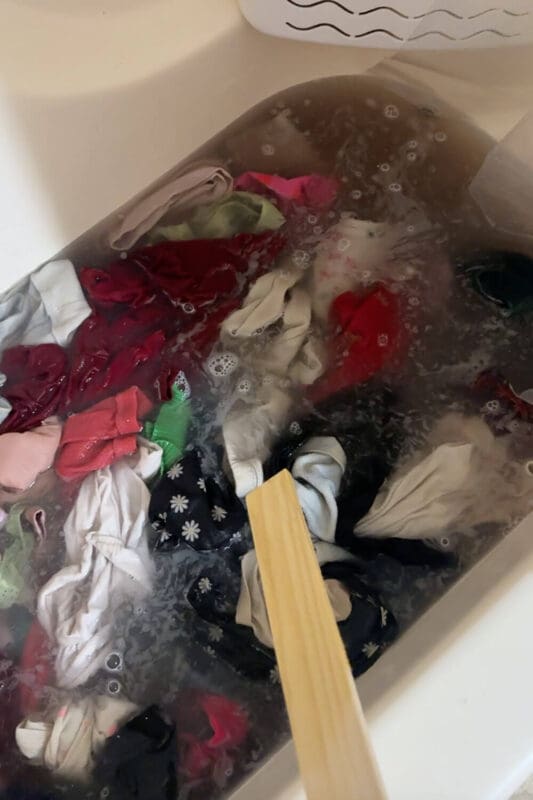
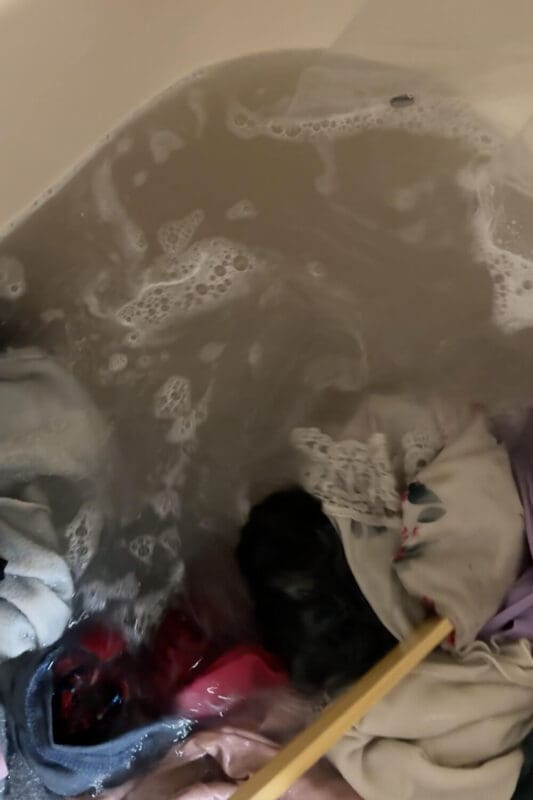
Step 5: Drain the tub and wash in a washing machine
Drain the water, take the soaked items, and run them through a normal wash cycle in your washing machine (no need to add any detergent).
Step 6: Dry like normal
Toss the clothes in the dryer (or hang dry) and enjoy that “fresh” feeling.
What to Expect After Laundry Stripping
Look how good my daughter’s shirt looks now! This well-loved, well-used shirt looks so much better. I can’t believe it.
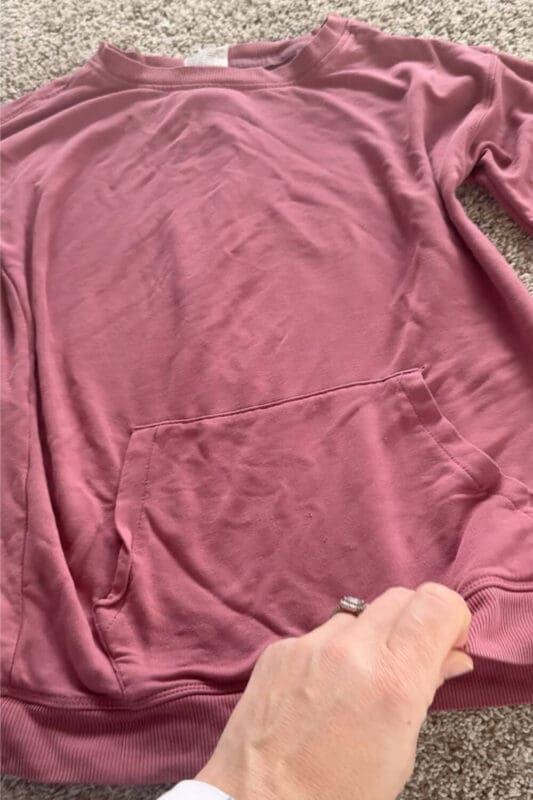
In addition to looking better:
- Towels felt fluffier and more absorbent
- That “stale clean” smell disappeared
- Fabrics felt softer without fabric softener
- Whites looked brighter
Laundry Stripping White Towels vs Colored Clothes
After I pulled the clothes out of the bathtub, the water was disgusting. I knew some of that brown murk could’ve been dye bleeding from the colored clothes, so I wanted to see how much of it was actually that versus actual buildup.
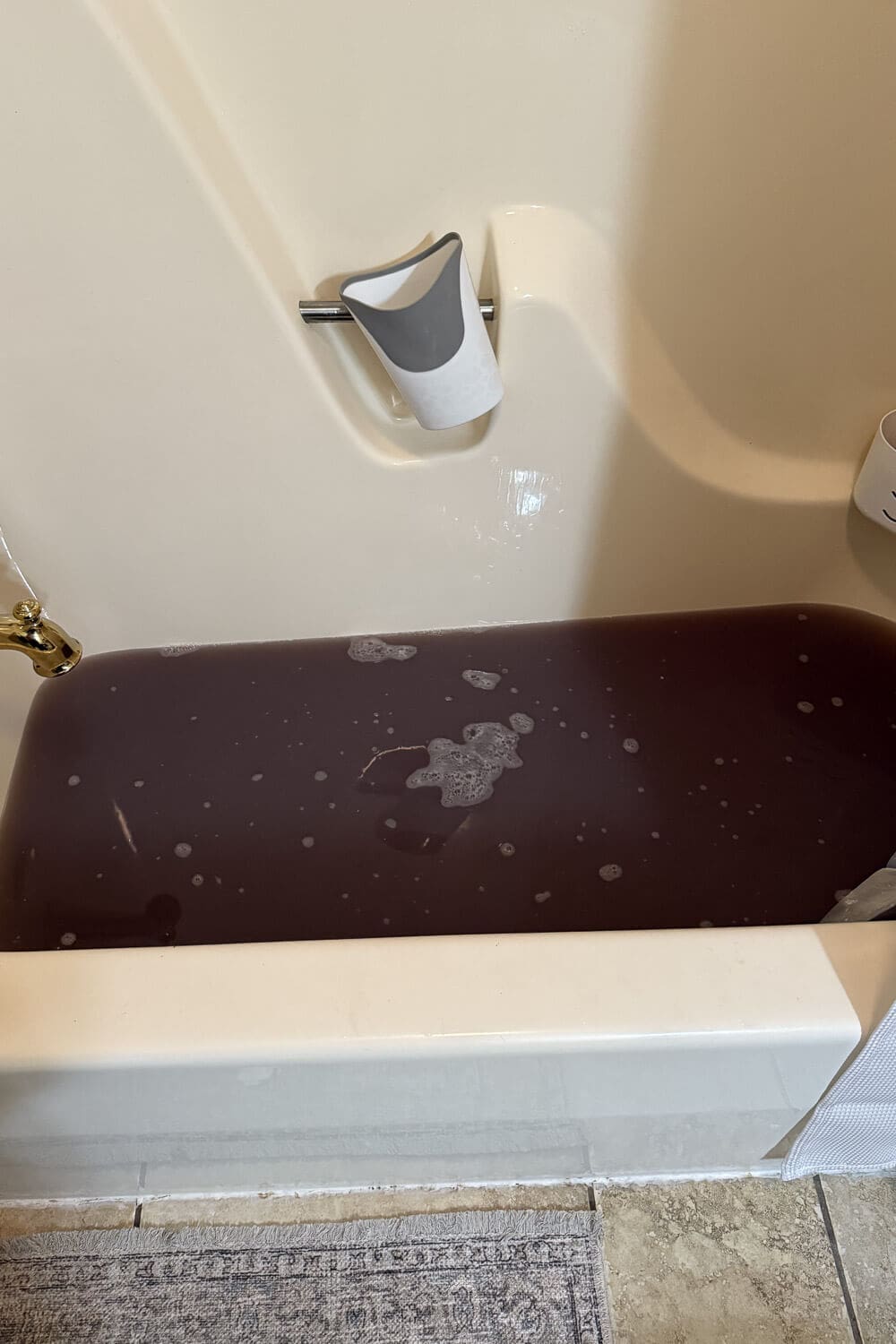
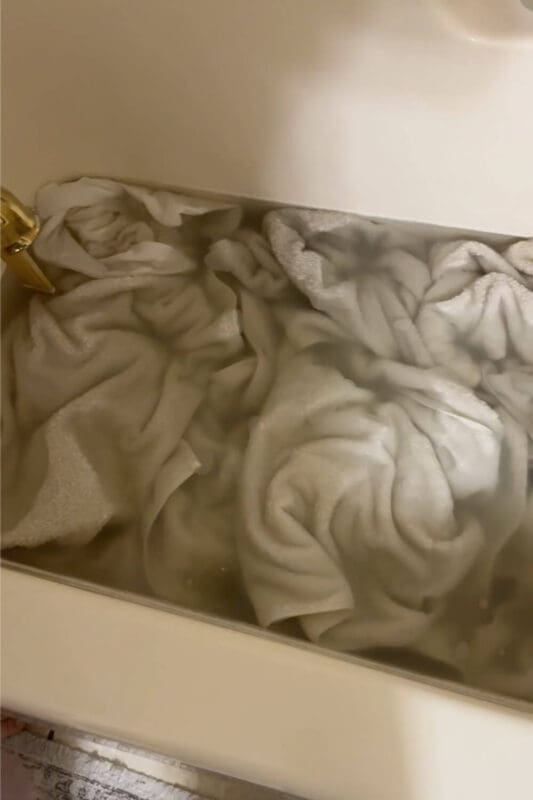
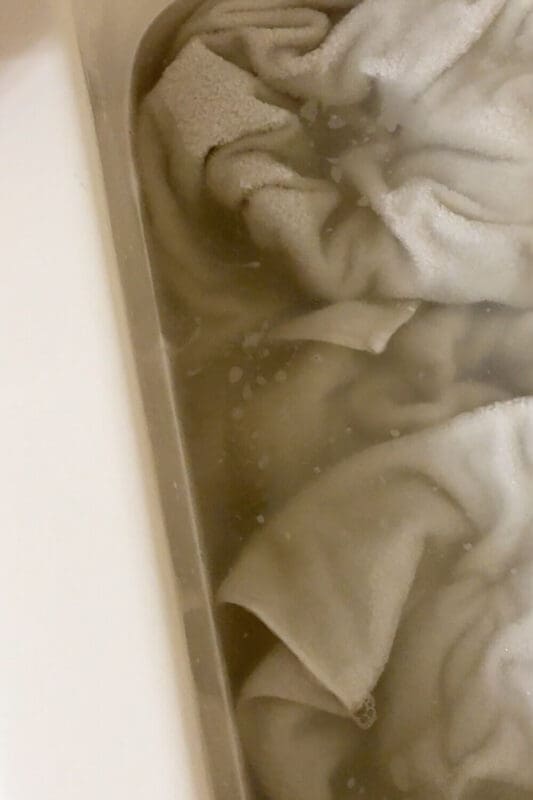
Next, I tried laundry stripping on white towels, and guess what? Within minutes, the water was looking gross again. So yes, it can pull a little dye from colored clothing (another reason to only do this occasionally), but a lot of what you’re seeing is built-up gunk coming out of the fabric.
More Deep Cleaning How-To’s
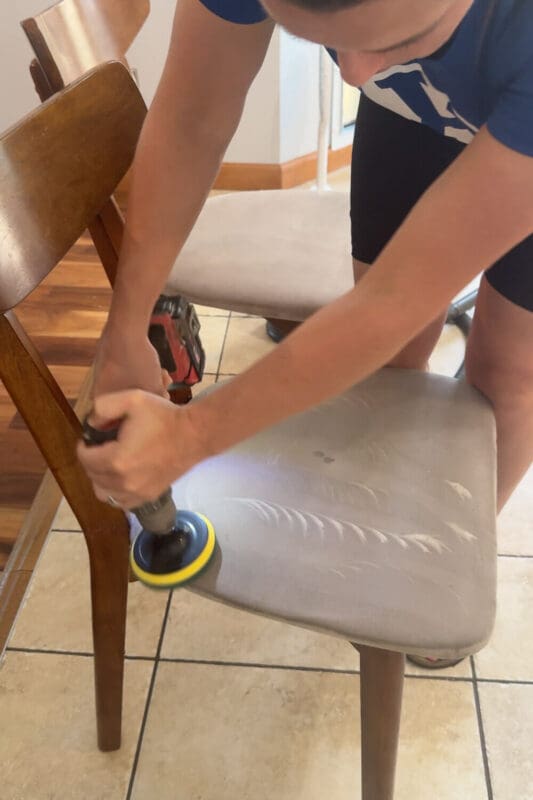
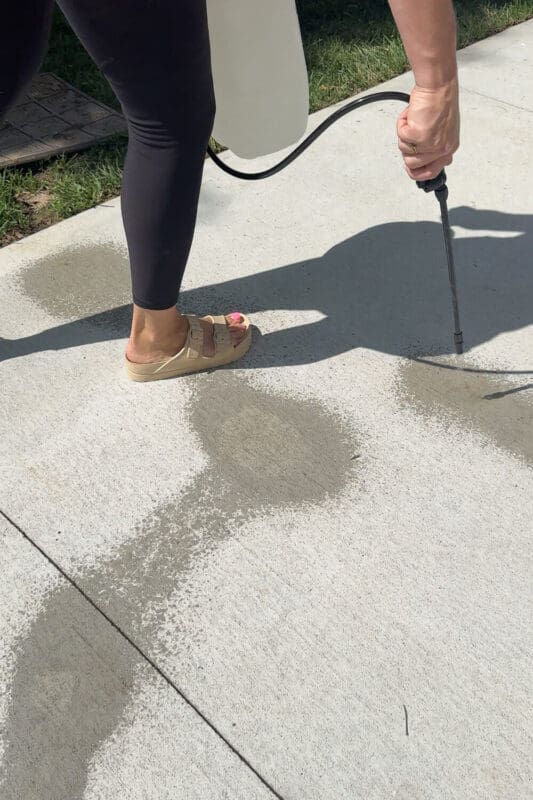
Looking for more deep-cleaning wins around the house? Check out How to Clean Fabric Dining Chairs (That Actually Works!) to see how I made our heavily stained upholstered chairs look brand new, and This Concrete Cleaner Hack Brought My Patio Back to Life for the exact method I used to tackle tough, set-in stains outside.
📌 Save This Laundry Stripping Tutorial for Later
If you’re not ready to turn your bathtub into a science experiment today, save this post so you can come back when your towels start acting suspicious.
FAQ: How to Strip Your Laundry
Laundry stripping is used to remove built-up detergent, fabric softener residue, body oils, hard water minerals, and trapped odors from towels, sheets, and clothing.
Yes. Calgon helps in hard water situations, but laundry stripping will still work without it.
You can do a version of laundry stripping in a top-loader using hot water and a soak cycle, but a bathtub soak gives you more room to fully saturate everything, soak the laundry for hours, and stir the laundry frequently.
Laundry stripping can be safe for colorfast fabrics, but it’s smart to test one item first. Avoid soaking anything that bleeds dye, and just know that repetitive laundry stripping will fade your clothing.
Yes. Laundry stripping is especially helpful for towels that smell musty or sour even after washing.
That disgusting-looking water is a mix of detergent buildup, fabric softener residue, oils, and minerals that were stuck in your fabric and finally got released.
